
Creating Healthy Homes
It’s easier than you think to keep your home healthy, comfortable and dry. You can start saving money, reducing your environmental impact and minimising health risks with these budget-friendly tips.
Keep your home warm
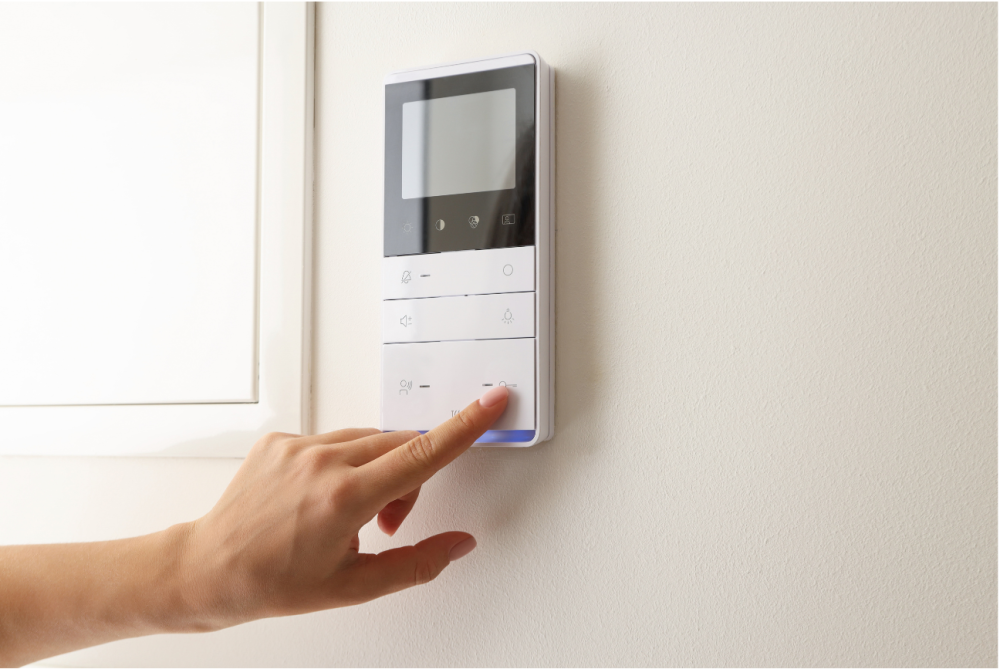
Heat your home to 20 degrees celsius
This is warm enough to keep your whānau healthy, without wasting money on too much heat.
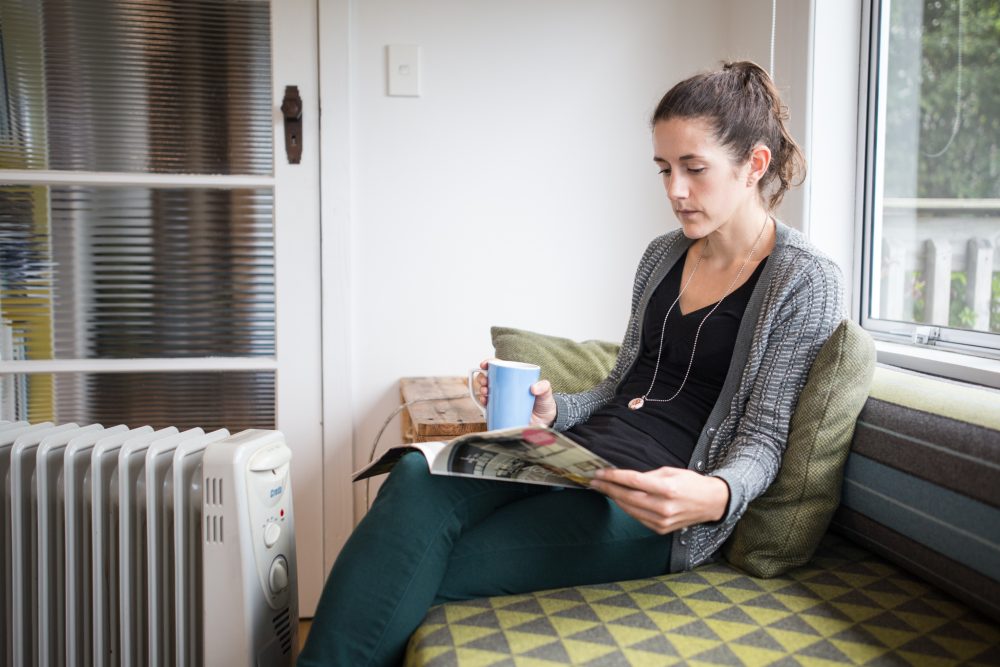
Never use an unflued gas heater
Unflued gas heaters are expensive to run, make your home damp and emit poisonous gases that damage lungs and can even cause death.
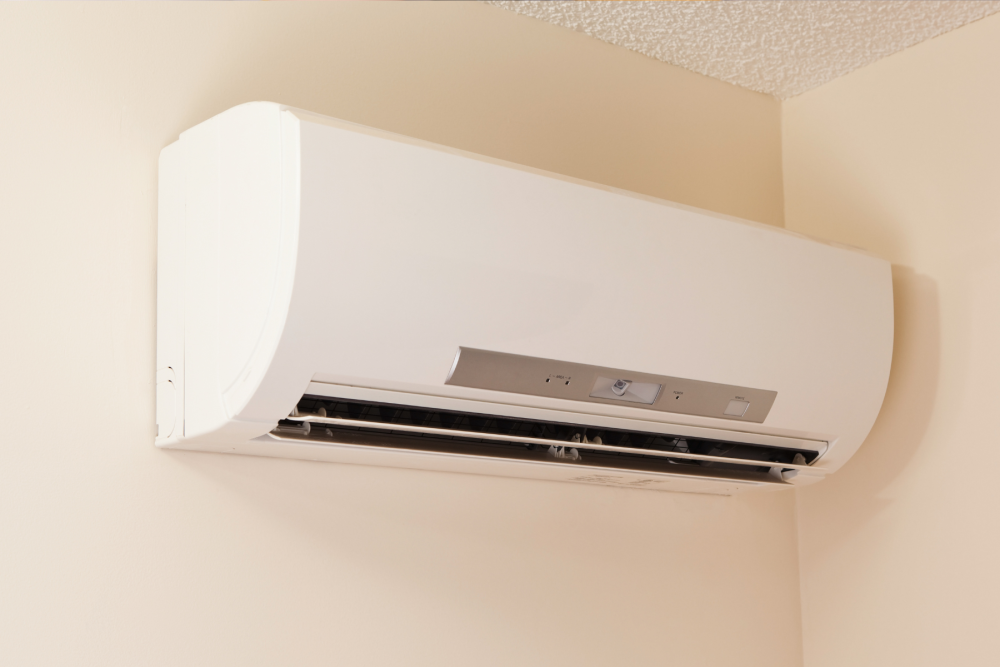
Use a heat pump if you have one
Heat pumps are three to five times more efficient than plug-in heaters. Plug-in heaters are good for bedrooms or any room without a heat pump.
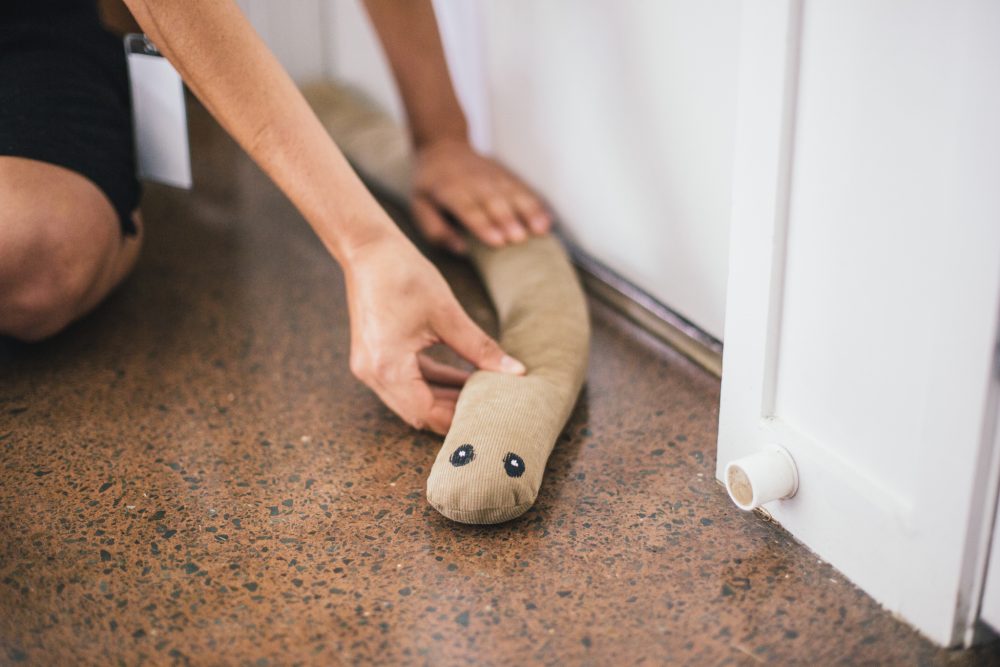
Heat where and when needed
Only heat rooms when you are in them and close doors to heated rooms.
A door snake or rolled up towel at the bottom of a door stops draughts and keeps even more heat in.
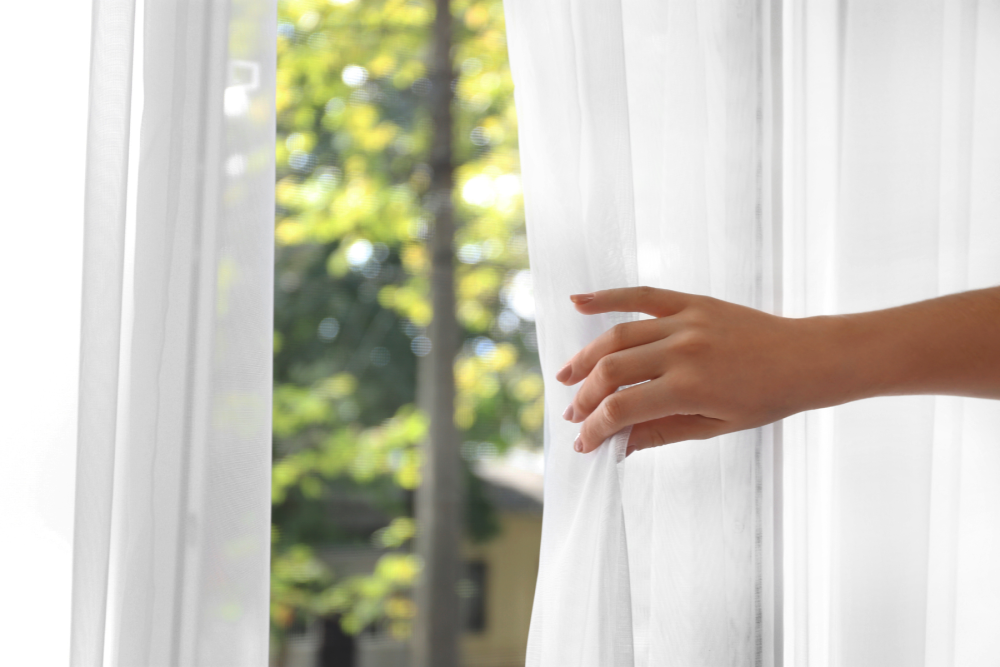
The sun gives you free heat
Open curtains in the morning to let the sun in. Close curtains at night to keep the heat in.
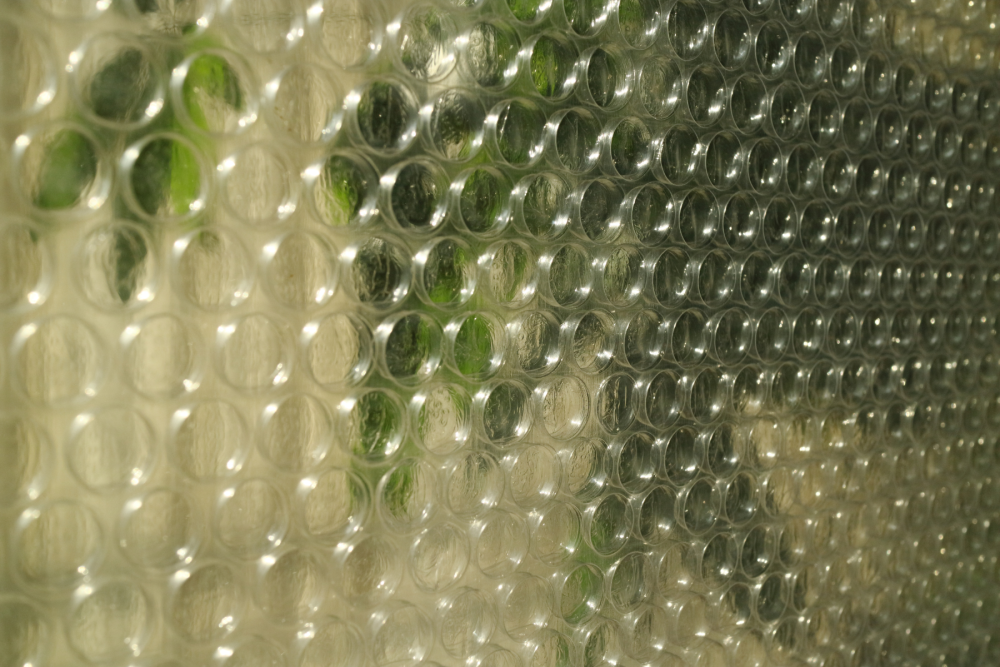
Windows lose a lot of heat
DIY double glaze your windows with bubble wrap or window insulation kits.
Bubble wrap will stick to your windows with just a bit of water, no tape needed. They keep heat in, and provide a frosted window effect.
If you prefer a clear view, you can buy window insulation kits from a hardware store.
Keep your home dry

Open your windows each day
Open your windows for 15 minutes each day, even in the winter. This is enough to let dampness out, without losing too much heat.
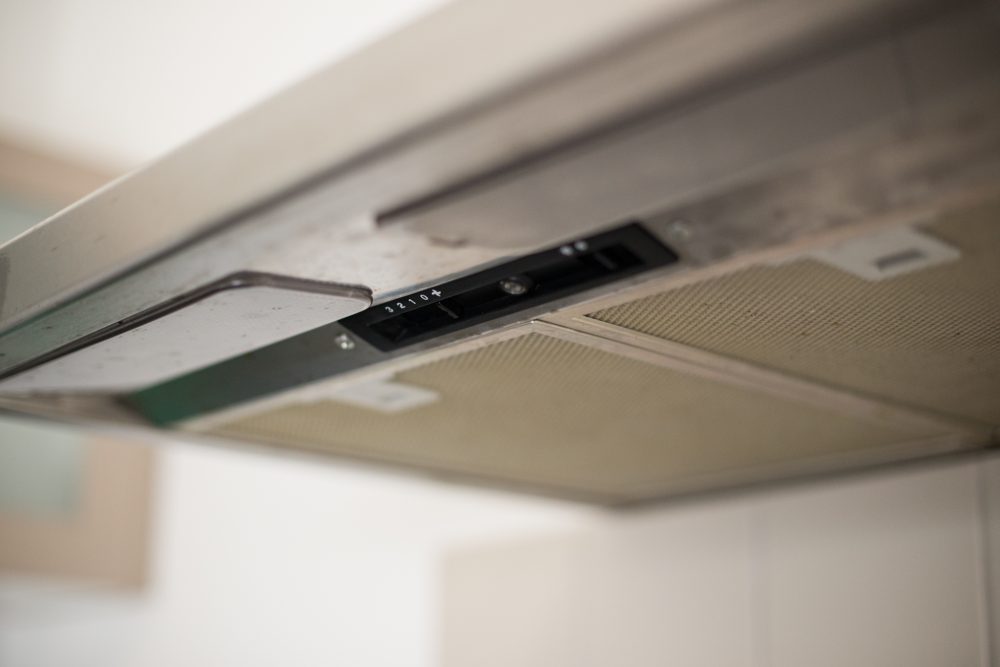
Use kitchen and bathroom extraction fans
To reduce moisture even further, cover your pots and pans when cooking.
After a shower, keep the door closed and leave the bathroom fan on for another 15 minutes.
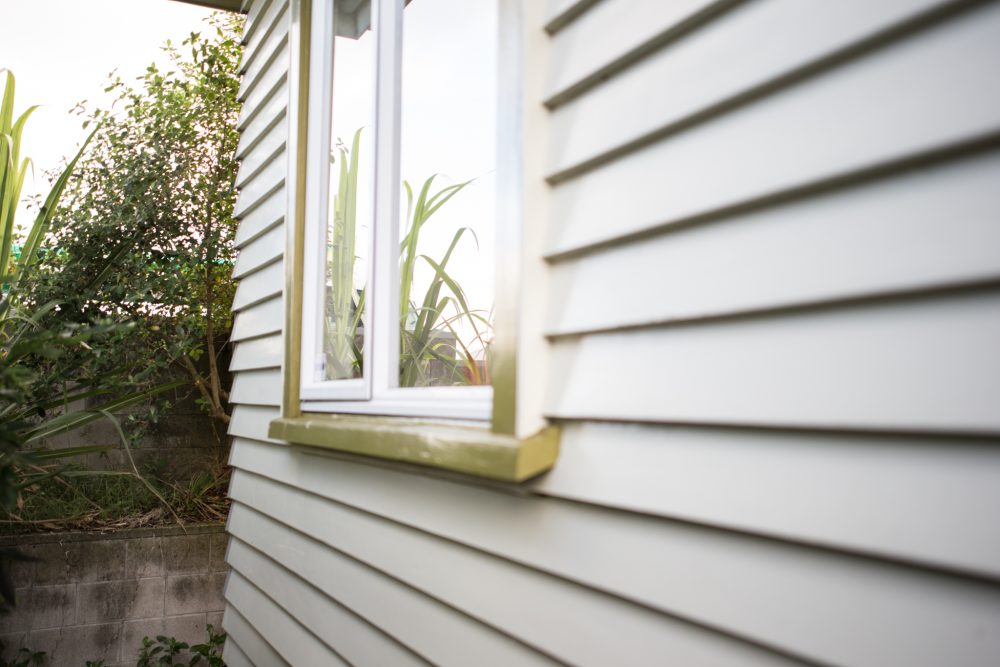
Check for a ground moisture barrier
It will look like a large black tarp on the ground under your house and is a legal requirement for all rental properties.
Rising damp can be a large source of moisture, even when the ground seems dry.
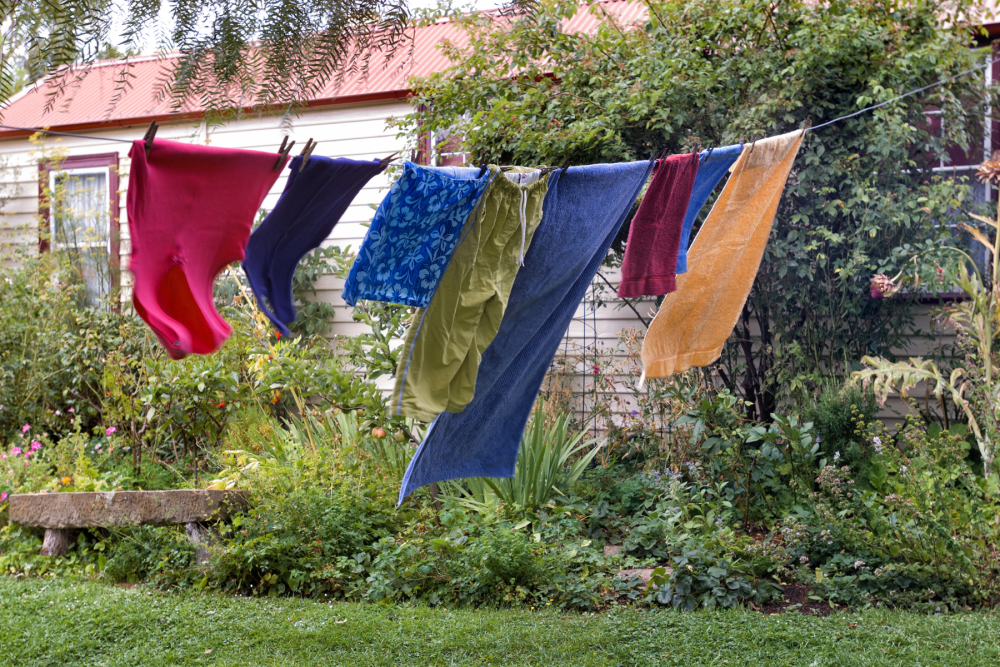
Dry clothes outside whenever possible
One load of washing can still hold five litres of water! You want that moisture to stay outside your house.
Keep your water and power bills low
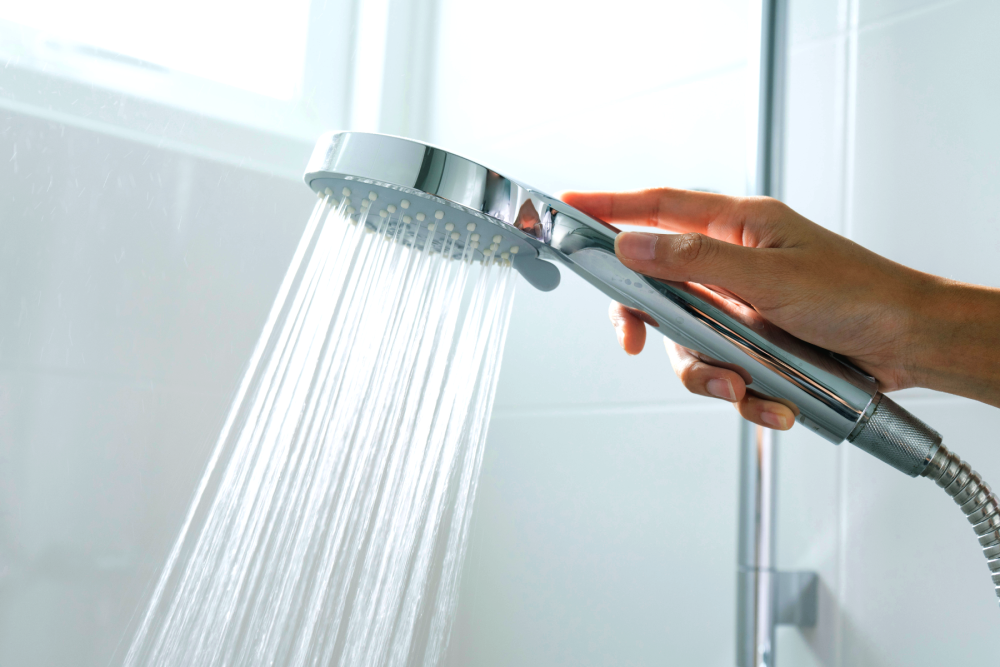
Spend less time in the shower
It takes a lot of energy to heat water. Even with an efficient shower head, 10 minutes in the shower can use more power than using a plug-in heater for an entire hour.
Reducing your shower time by just a few minutes can result in big savings.
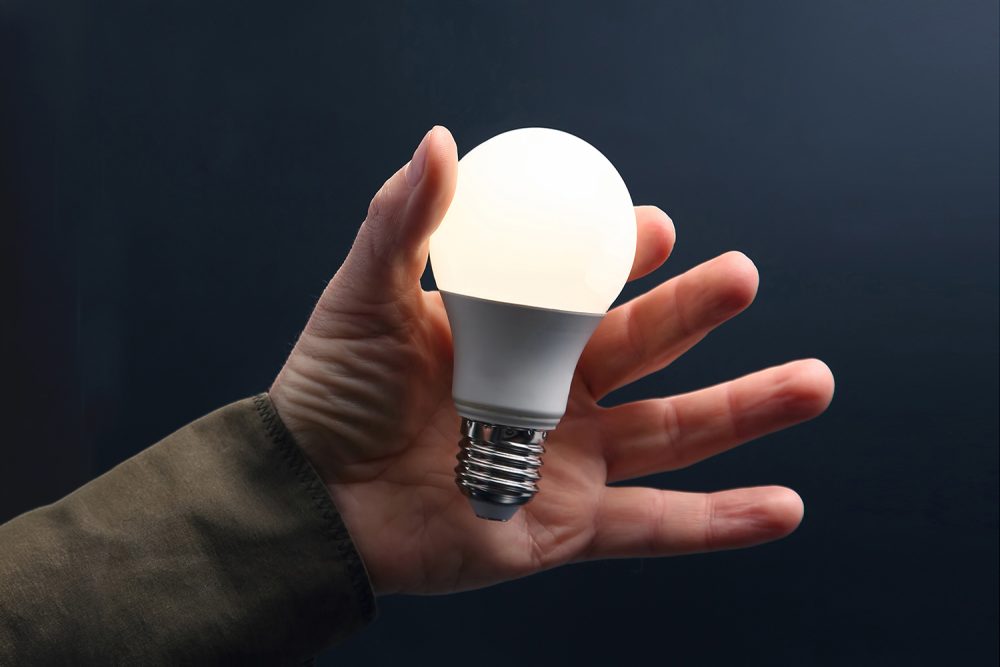
Switch to LED bulbs
LED bulbs can use three to ten times less power than other lightbulbs. That can be the difference between paying $20 a year and $200 a year!
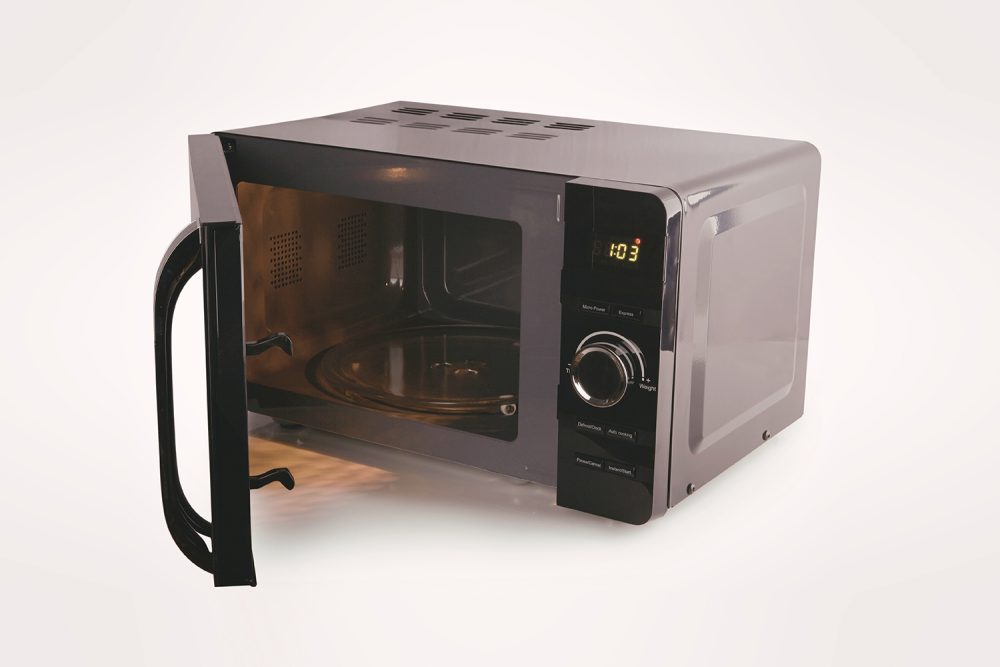
Turn off appliances when not in use
Appliances left on standby can cost you up to $100 per year. Turn microwaves, TVs and printers off at the wall when not in use.
Running a second fridge can cost $200 per year. Only turn it on when needed, rather than running a mostly empty fridge all year round.
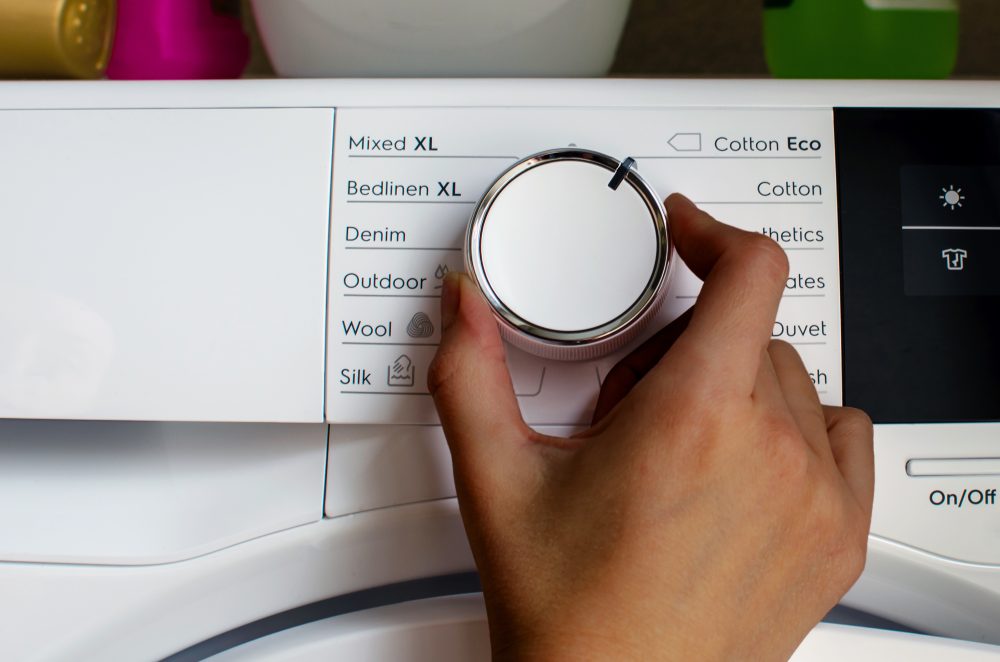
Choose cold washes
Cold washes still kill germs and get clothes clean but use way less energy than a hot wash.
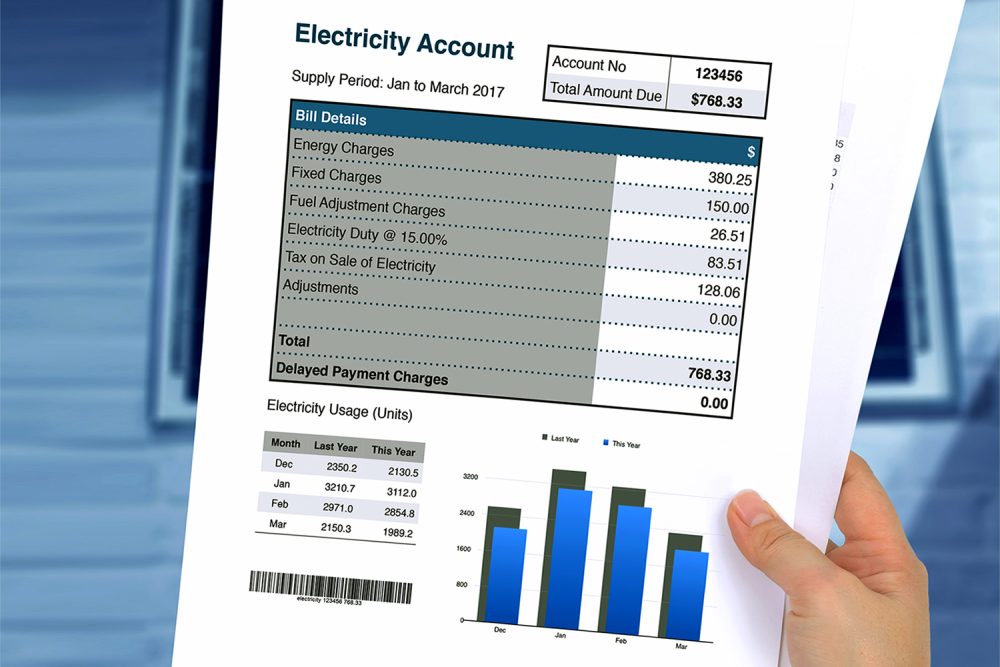
Check your power bill
See if you could be paying less for your power bill by checking plan options at powerswitch.org.nz
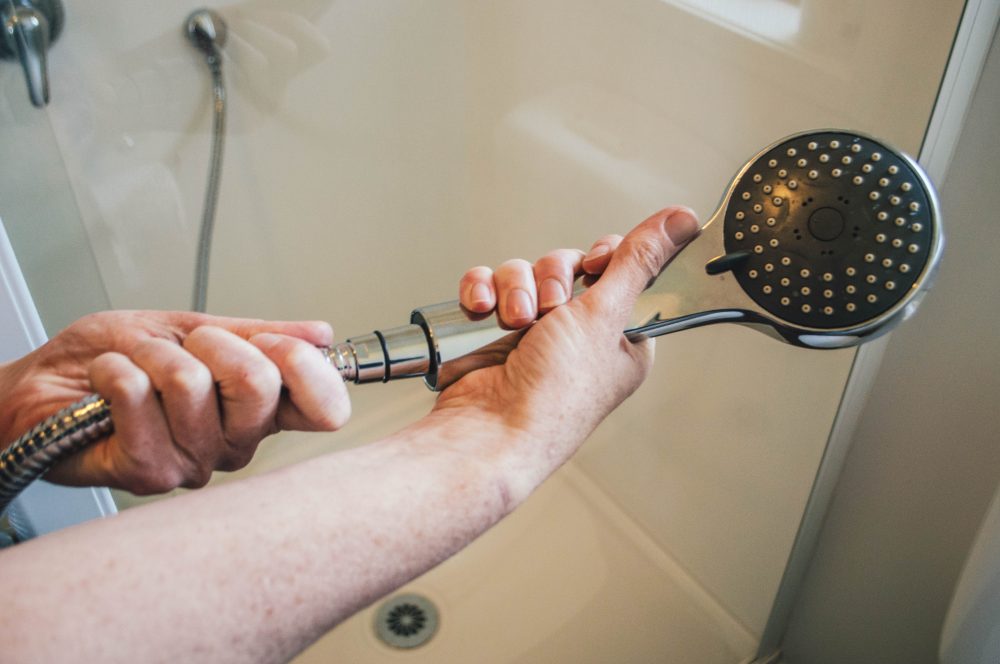
Use a low flow shower head
Modern shower heads use less water without sacrificing pressure. Choose an efficient model to save money every time you shower.
DOWNLOAD OUR FLYER
Download our top tips in your own language:
- English
- Te Reo Māori
- Te Reo Māori and English – Lower Bills
- Te Reo Māori and English – Warm and Dry
- Hindi
- Simplified Chinese
Healthy Homes Workshops
Book one of our Sustainability Advisors as a free speaker for your organisation or group’s meet-up. These talks cover budget-friendly ideas to keep your home and whānau warm, dry and healthy.
free healthy homes services
Our Homes team offers a range of services, which will help you to put these tips into practice in your own home.
Water saving advice
We provide free water saving advice to anyone in Tāmaki Makaurau. If your water use is higher than average and you do not have a leak, you are eligible for a Water Check, where one of our Sustainability Advisors visits your home to look at all things water-related and installs water saving devices to help you reduce your water use.
Free energy saving visits
If you are struggling to pay your power bill, you may be eligible for a Sustainability Advisor to visit your home through our Energy Wellbeing programme, where we offer personalised advice on how to reduce your energy use while keeping your home warm.